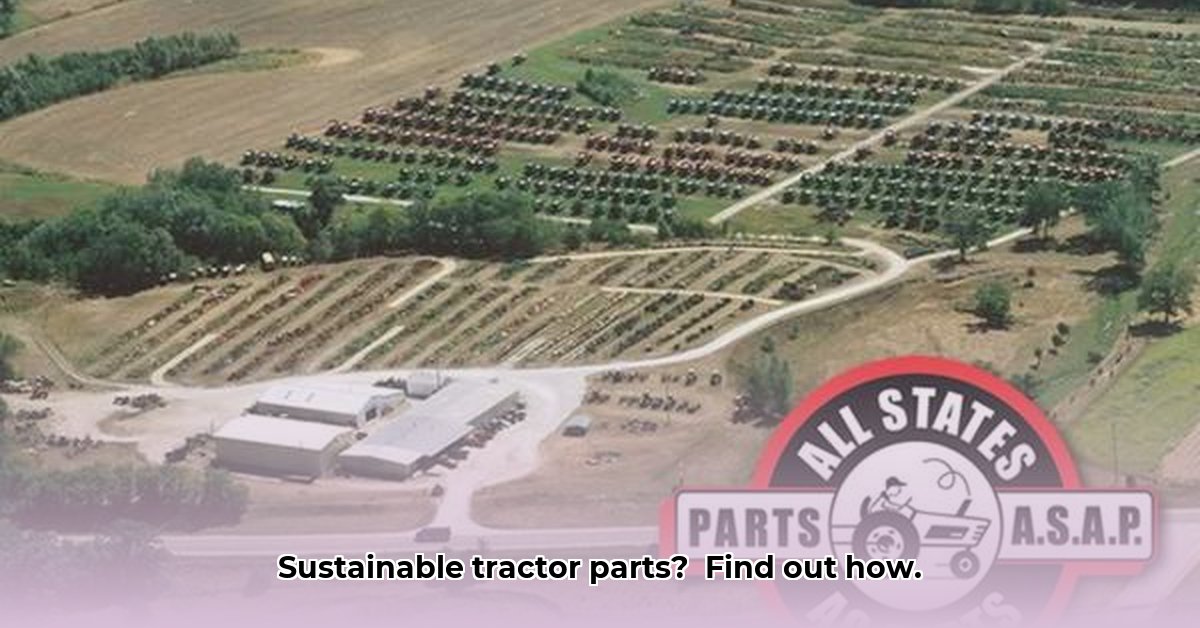
Fort Atkinson Iowa Tractor Parts: Securing Your Future Harvest
Maintaining operational agricultural equipment is paramount for successful farming. In Fort Atkinson, Iowa, and across the Midwest, securing reliable tractor parts presents a significant challenge. This article examines the current state of tractor part sourcing, identifies key sustainability issues, and proposes actionable strategies for building a more resilient and environmentally responsible system. For additional resources on farm equipment parts, check out this helpful link.
The Current State of Tractor Part Sourcing: A Critical Analysis
The Midwest agricultural sector relies heavily on aging equipment. Obtaining replacement parts, especially for older models, is increasingly difficult. Demand for used parts significantly outweighs supply, driving up prices and extending lead times. This shortage is exacerbated by a critical lack of skilled labor for parts processing and distribution. This situation impacts farmers directly, increasing downtime and operational costs. Furthermore, a lack of comprehensive data hinders the accurate assessment of the environmental impact of this current system. This lack of transparency makes it difficult to implement effective sustainable practices.
Sustainability Challenges: Environmental and Economic Impacts
The environmental impact of tractor part manufacturing and disposal is substantial. Energy consumption during production, material sourcing, and transportation all contribute to a significant carbon footprint. The disposal of worn-out or obsolete parts presents additional environmental challenges. The issue of part obsolescence further complicates matters. Older tractors often require specialized, hard-to-find parts, leading to premature equipment scrapping and the loss of valuable resources. This unsustainable practice necessitates a comprehensive review of the entire lifecycle of tractor parts.
Actionable Strategies: A Collaborative Approach to Sustainable Sourcing
Addressing the challenges requires a multifaceted approach involving farmers, parts suppliers, and policymakers. Several strategies can mitigate current issues and drive sustainable practices.
For Farmers and Agricultural Businesses:
- Invest in preventative maintenance: Regular inspections and prompt repairs significantly reduce the frequency of part replacements, minimizing both costs and environmental impact.
- Explore online marketplaces: Utilize online platforms specializing in used or refurbished parts to access a broader range of options and compare prices. Critically assess vendor sustainability commitments.
- Support local suppliers: Prioritizing local businesses reduces transportation emissions and fosters a more resilient local economy.
- Invest in durable equipment: Consider the long-term cost-effectiveness and longevity of equipment to decrease the need for frequent replacements.
For Parts Suppliers (Including Fort Atkinson Businesses):
- Enhance inventory management: Optimize stock levels to reduce waste and improve the efficiency of the supply chain.
- Improve part traceability: Implement systems to track the origin and lifecycle of parts, enabling better assessment of environmental impact.
- Partner with sustainable manufacturers: Collaborate with manufacturers employing sustainable production processes and using environmentally friendly materials.
- Invest in remanufacturing: Implement advanced recycling and remanufacturing technologies to extend the lifespan of existing parts and reduce reliance on new production.
For Government Agencies (Such as the USDA):
- Fund research & development: Invest in research into eco-friendly manufacturing processes and materials.
- Offer financial incentives: Provide grants and tax breaks to incentivize the adoption of sustainable practices among parts suppliers and farmers.
- Establish industry standards: Develop national standards for sustainable parts sourcing, clarifying expectations and ensuring transparency.
Risk Assessment: Identifying and Mitigating Potential Challenges
Implementing sustainable practices involves inherent risks. Higher initial investment costs and potential supply chain disruptions are notable concerns. However, inaction carries far greater long-term risks, including environmental degradation and economic instability. A comprehensive risk assessment matrix, detailing both short-term and long-term impacts of various risks, allows for proactive mitigation strategies.
Regulatory Implications: Navigating the Evolving Landscape
The regulatory landscape governing environmental protection and worker safety in parts processing is constantly evolving. Businesses must stay informed about these changes to ensure compliance, maintain market competitiveness, and contribute to a sustainable industry.
Conclusion: Building a Sustainable Future for Agricultural Parts Sourcing
Sustainable practices in agricultural parts sourcing are crucial for both environmental and economic sustainability. Collaboration between farmers, parts suppliers, and policymakers is essential to build a more resilient and responsible system. By implementing the strategies outlined above, we can create a future where farmers have access to reliable parts without compromising environmental health or long-term economic viability. The transition requires a mindful approach, considering not only immediate needs, but also the long-term implications for the agricultural sector and the environment.